

Where Your Life Unfolds
― The First Story of The Westin Seoul Parnas Branding
Prologue: A Hotel Is a Piece of Cinema
When the revolving door of a hotel slowly shifts its angle, the first thing to awaken your senses isn’t the smile of the hotelier. It’s the subtle change in the density of the air, the layered scent lingering in the lobby, the particles of light spreading across the glass, and the soft rhythm created by footsteps brushing against the floor.
This delicate orchestration of sensations becomes a small signal—much like the opening scene of a film—hinting at the story that is about to unfold.
A hotel is a rare stage of the extraordinary permitted by the city, a place where fragments of people’s day are woven together into something we call narrative.
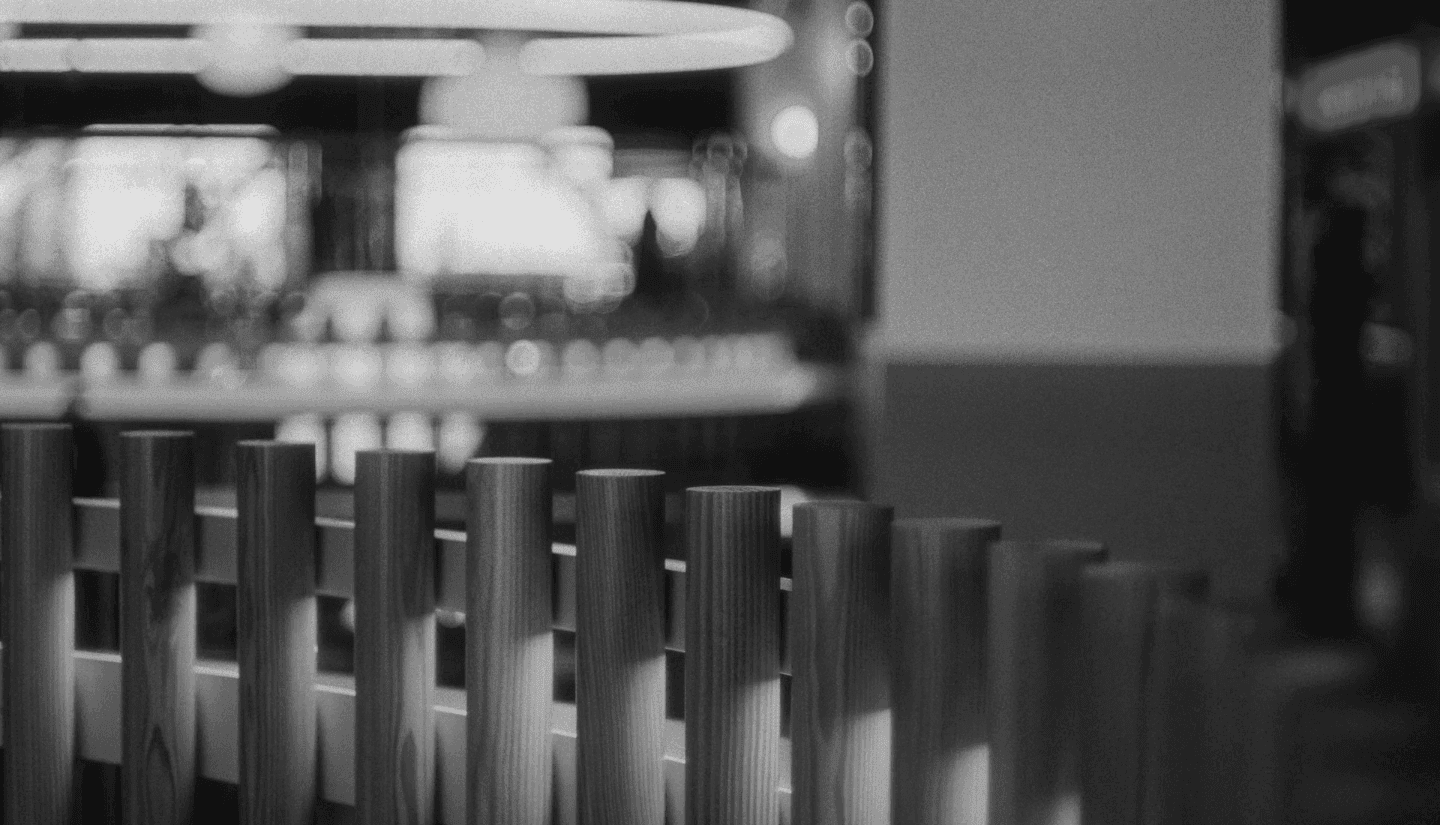
The phrase “A hotel is a film,” written on the first page of the Westin Seoul Parnas project, was never meant as a simple metaphor. The stillness of the guestroom, the lingering notes in the hallway, the rhythm of breath infused into the wellness spaces, and even the warmth of conversations exchanged across a table—every element must interlock like a meticulously crafted script. Only then does a complete world reveal itself.
People do not remember information. They remember scenes. And when those scenes connect, a distinctive experience emerges—what we often call a cinematic day. The world a hotel offers is, in essence, an edited sequence of such scenes.
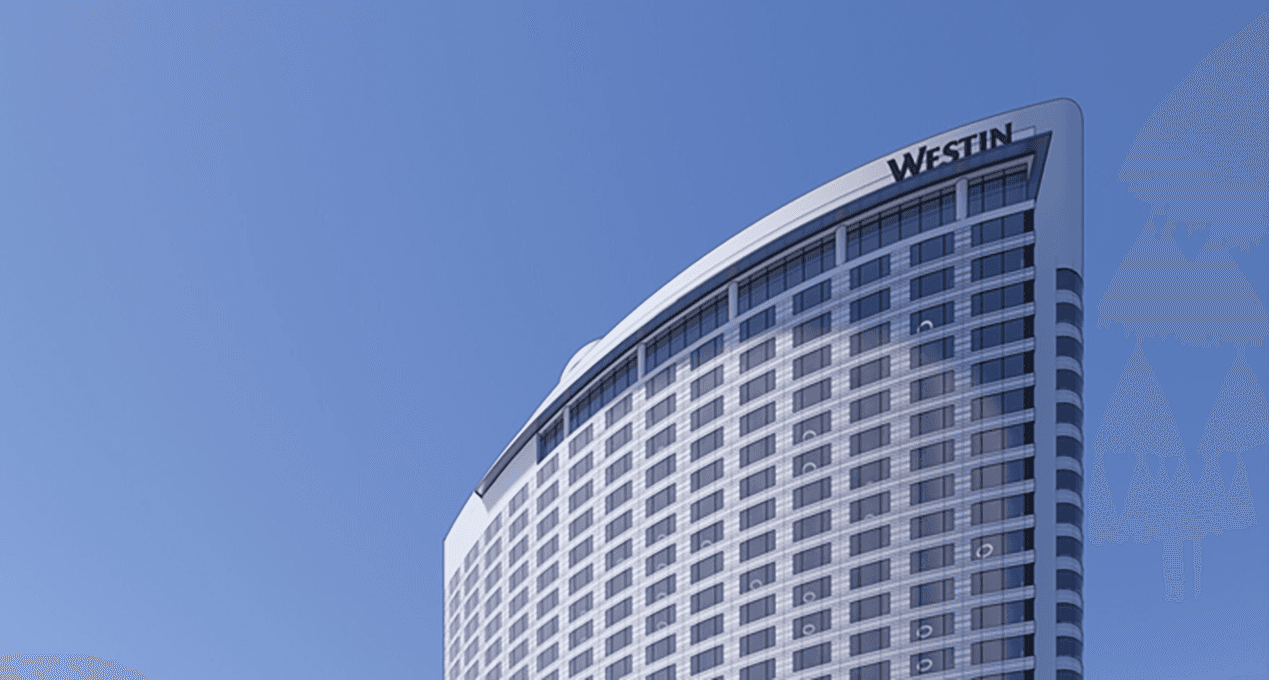
When the InterContinental COEX sign came down and the name Westin Seoul Parnas went up, we recognized this not as a replacement but a reboot. In the same building, in the same city, we were tasked with creating an entirely different genre of film.
What must this hotel now speak of? What emotions should it evoke in the flow of a guest’s day? And what kind of scenes should it be remembered for?
Faced with these questions, we began not with the perspective of architects, but with the lens of directors crafting a new universe.
Seoul, and the Questioning of a Faded Wellness
Wellness—the oldest legacy and foundation of the Westin brand—was the natural starting point for this project. Yet ironically, wellness today has expanded so broadly that its essence has become blurred. For some, it means the warmth of a spa; for others, the silence of meditation; for others still, a rigorous workout or a disciplined diet. In an era where every “good” thing is labeled wellness, the core meaning has quietly faded.
We are surrounded by countless tools for wellness, yet the reason to reach for them has vanished. So we returned to the very beginning and asked: “Here and now, in the city of Seoul, what is it that people truly wish to heal?”
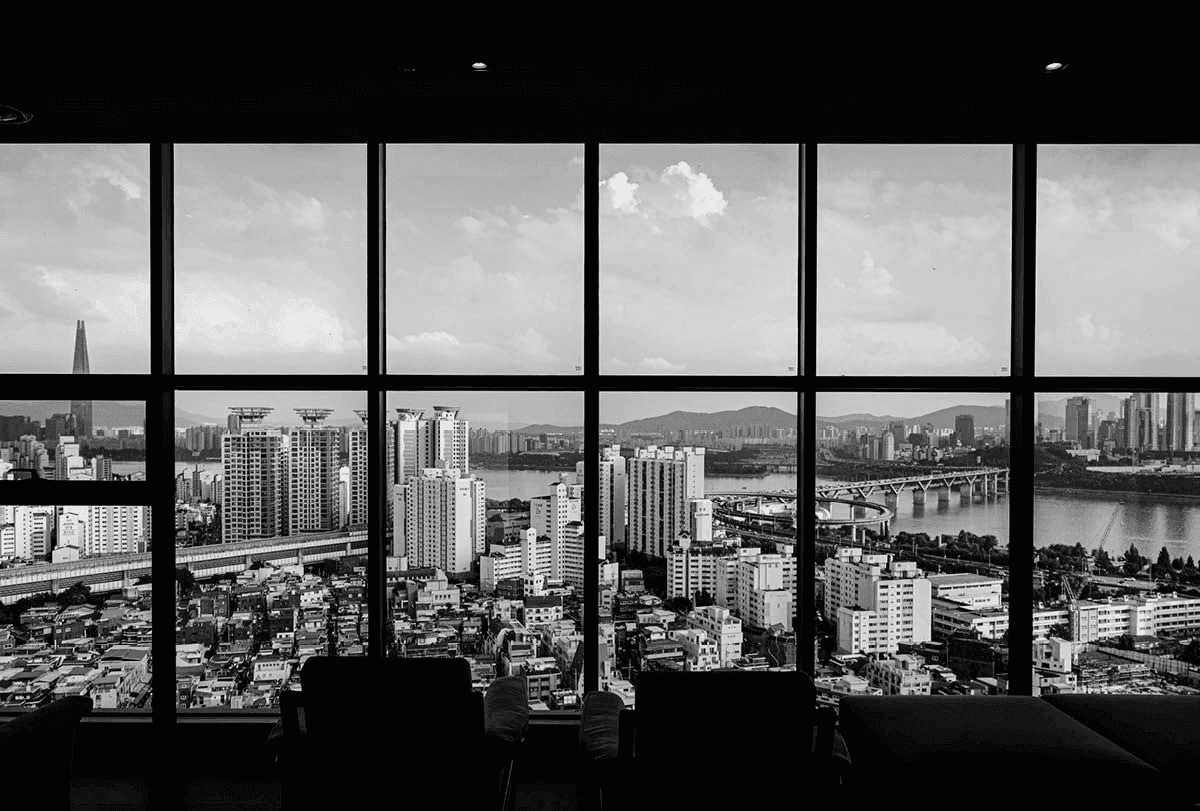
To find the answer, we first listened to the pulse of the city before listening to its people—because desire is a shadow cast by one’s environment. Time in Seoul moves unusually fast. It feels as though it is always pushing ahead of you. The fatigue people feel here is not simply physical; it is the unsettling sense that “my pace is no longer mine,” the quiet loss of control as the city’s speed overtakes one’s life. This is the true nature of exhaustion in Seoul.
Traditional wellness encouraged escape—leaving the city, retreating into nature, finding total stillness away from daily noise. But the people of Seoul longed for something different. They didn’t want to go far away; they wanted to breathe right where they stood. Not to run away, but to recalibrate the parts of their life that had fallen out of tune. For Seoul, wellness must not be tranquility—it must be vitality, the act of reclaiming one’s lost rhythm.
Samseong-dong, The Space Shaped by Speed and Stillness
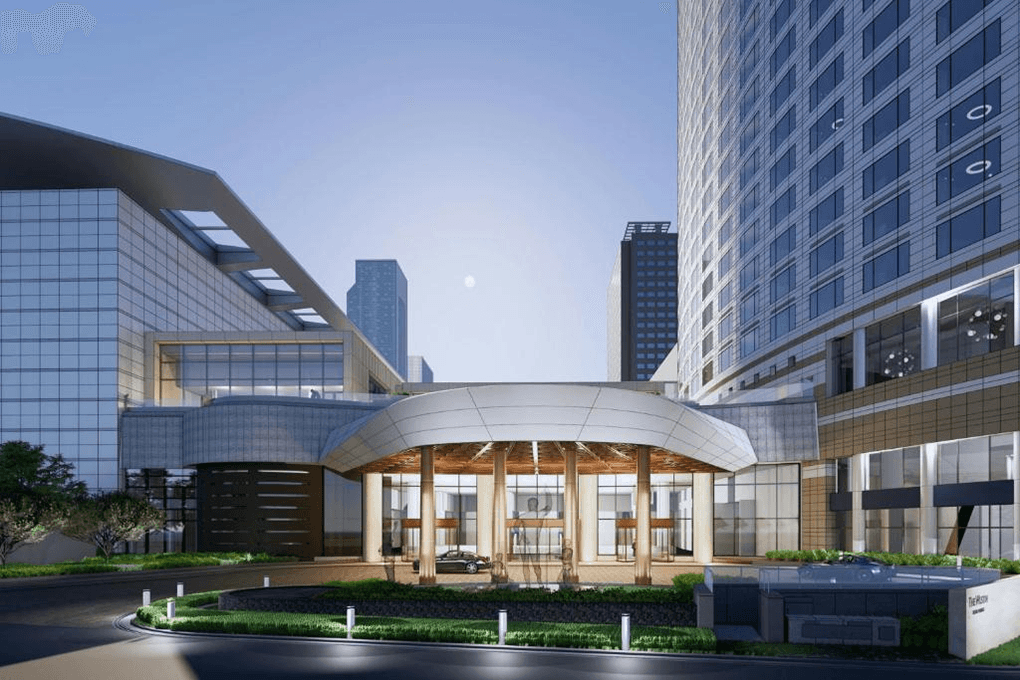
This new definition of wellness naturally emerged because of the land on which the hotel stands—Samseong-dong. Here, the ironies of Seoul are compressed into their most dramatic form. The swift flow of COEX and the Trade Center, through which tens of thousands of people pass each day, stands only minutes away from the thousand-year-old stillness of Bongeunsa Temple. The coexistence of these opposing rhythms—speed and stillness—creates a subtle tension that is difficult to describe yet deeply felt by those who pass through.
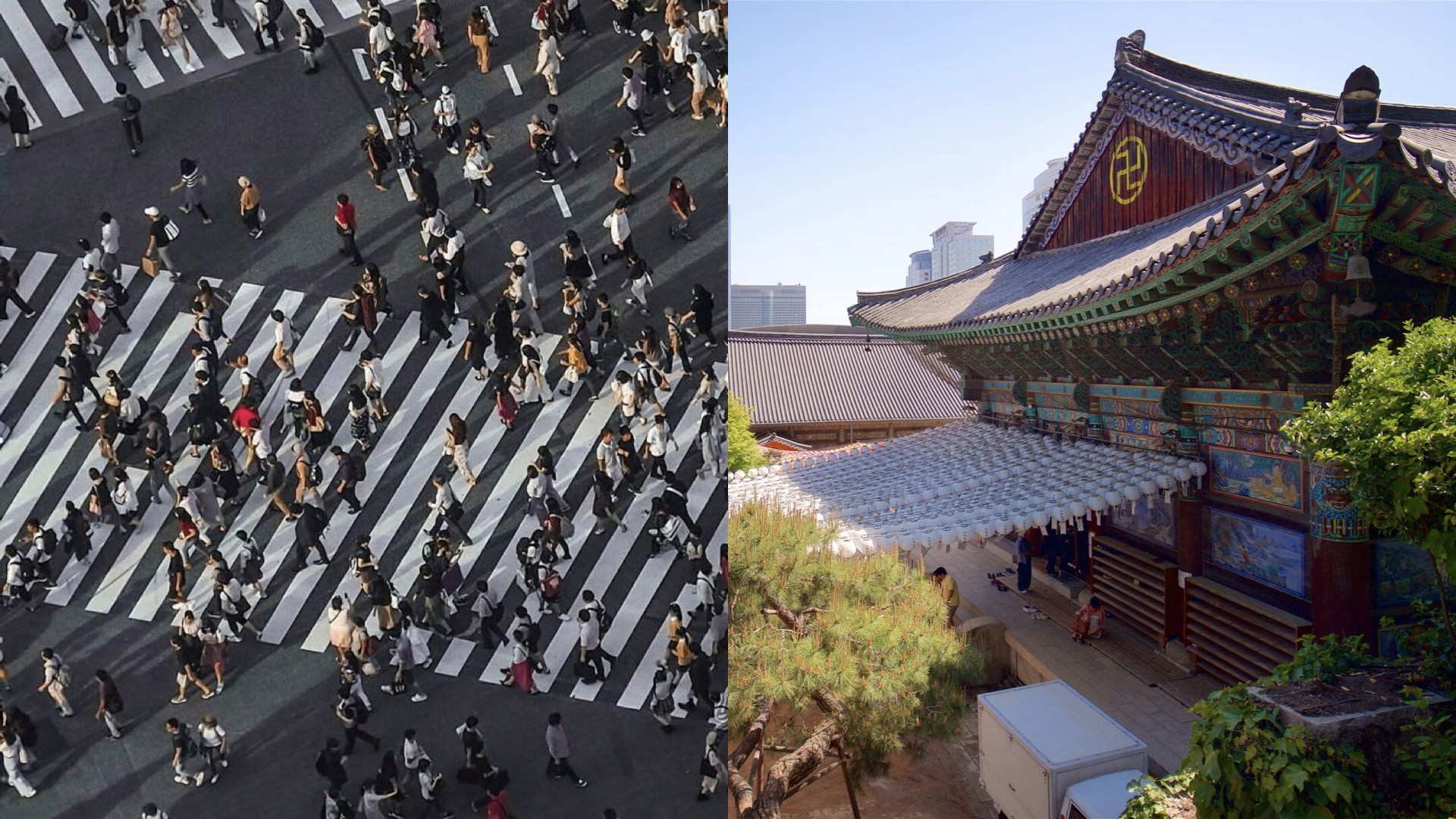
The Westin Seoul Parnas sits precisely in this in-between. It neither rejects the speed of the city nor tries to absorb all the serenity of Bongeunsa. The wellness it must offer is not an escape into nature, but the experience of recovering one’s own pace within the gap between these two worlds. In Samseong-dong, wellness is neither an imitation of calm nor an exaggeration of vitality—it is the act of reclaiming control over your own speed.
Now That the Stage Is Set, It’s Time to Bring in the Protagonist
So who stands on this stage? We did not define them by age, profession, or income. Instead, we portrayed them through the rhythms of their lives.
Mindful Leaders are those who endure the weight of solitary decisions.
They are always at the front, opening the path for others, while countless expectations and responsibilities press heavily upon their shoulders. In the midst of all this, their inner world often becomes crowded with noise. What they need is not simple rest or escape, but clarity—an alignment that wipes clean the decision-making lens blurred by the city’s pace and restores a firm, steady center.
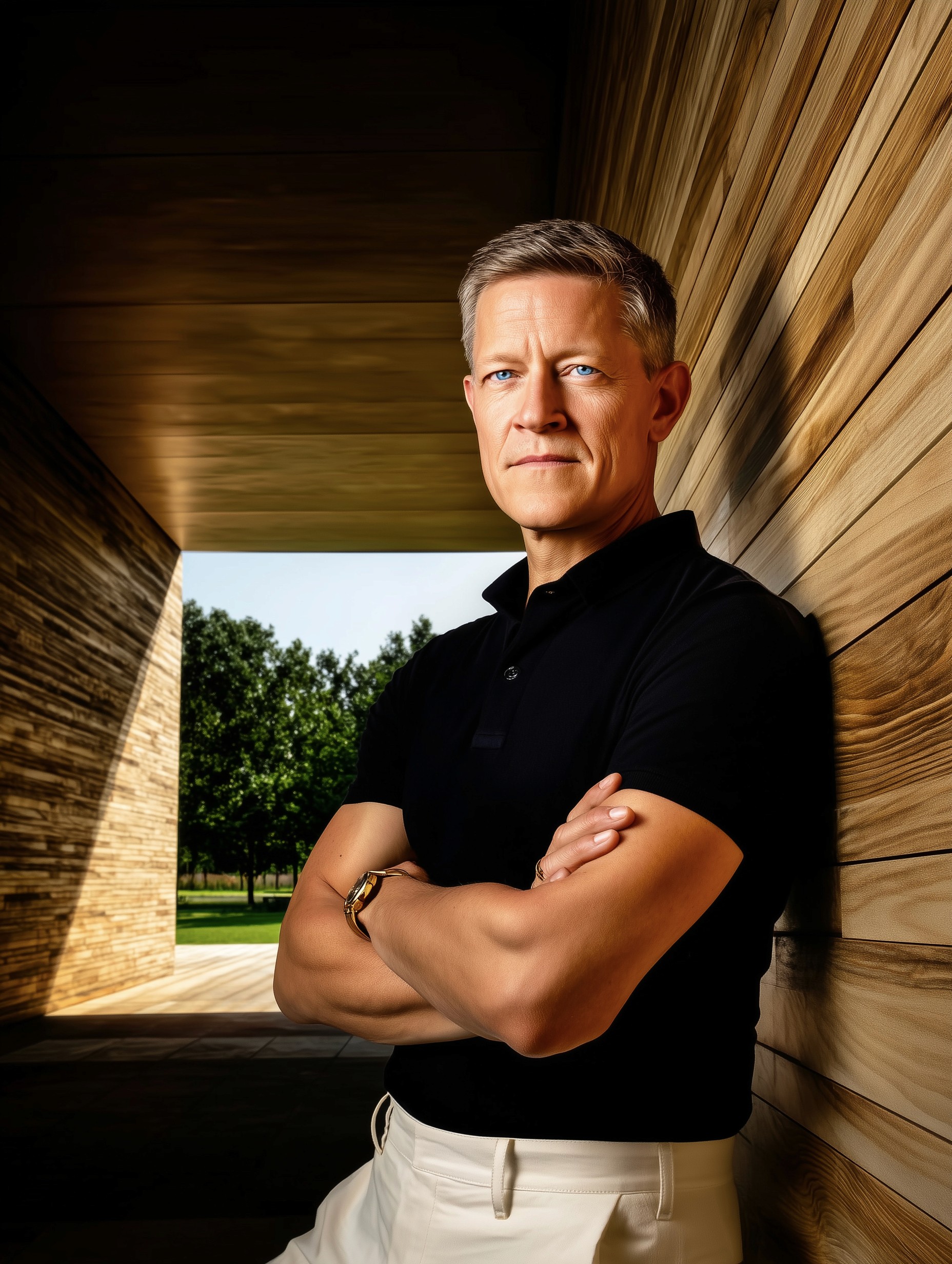

Wellness Optimizers are those who fine-tune their bodies and time with precision.
For those who meticulously budget their time down to the minute and second, condition is directly linked to performance and quality of life. They seek resilience amidst frequent travel and packed schedules. Casual comfort aimed merely at a change of mood holds no appeal for them. Treating their bodies like precision machinery, they require nothing less than the 'Art of Reset'—a functional, immediate method to restore a disturbed biological rhythm.
onscious Explorers are those who read the world through their senses.
They draw inspiration from the colors of an exhibition, the fashion on the streets, or even the curve of a single roof tile at Bongeunsa. What they fear most is not physical fatigue but the dulling of perception. Wellness for them is the moment inspiration—worn down by routine—sparks back to life, the vivid awakening of sensory clarity.

Four Defining Scenes: How Recovery Comes Together
What we designed was not a collection of wellness programs, but a structure—an entire hotel world that creates a genuinely wellness-centered experience. Guests remember not the functions like massages or meals, but the specific scenes that restore the rhythm of their day.
Recovery does not begin with the sum of programs but with the internal shift triggered by a sensory moment. With this belief, we abandoned the approach of listing spaces as separate elements.
Instead, we designed four essential scenes that guide guests through a natural narrative of restoration. Beyond facilities, these scenes offer a journey of reclaiming one’s rhythm from the city’s speed. Wellness is not defined by what you did, but by the scenes you passed through.
Scene 1. Harmonic Scenery: Two Landscapes That Reveal My Pace
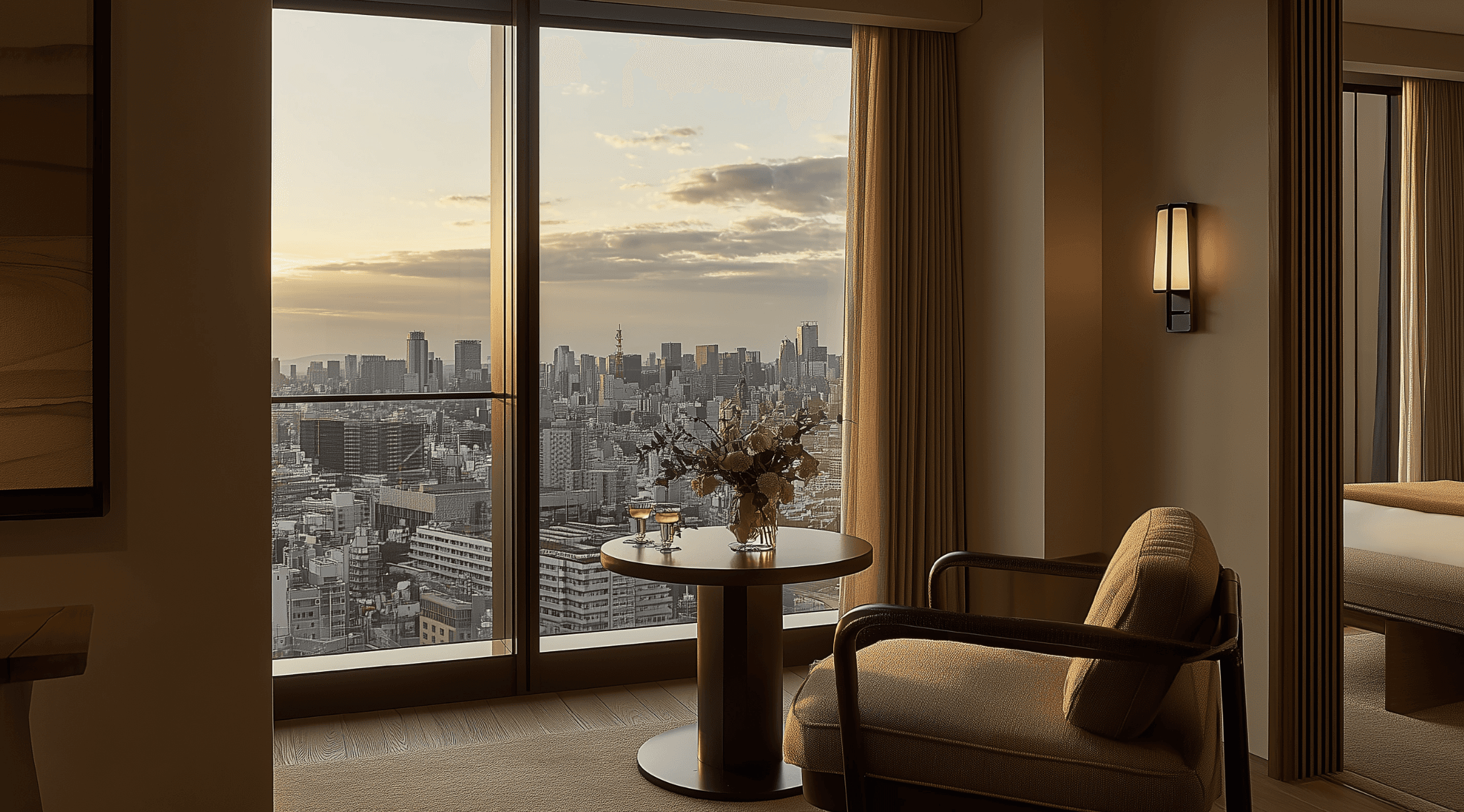
A day in the hotel begins the moment the curtains are drawn open. Before you lies both the fast-moving traffic of Teheran-ro and the quiet scenery of Bongeunsa. There are few places in Seoul where these two landscapes appear in a single frame. The essence of this scene is not the view itself, but the contrast. When speed and stillness enter your sight at once, you naturally ask yourself: “At what pace am I living right now?”
In daily life, we rarely take time to examine our own pace. This is why Harmonic Scenery becomes the first recovery point—helping guests recognize the distance between the city’s speed and their own. It becomes the starting point for rediscovering a sense of personal pace that they can control.
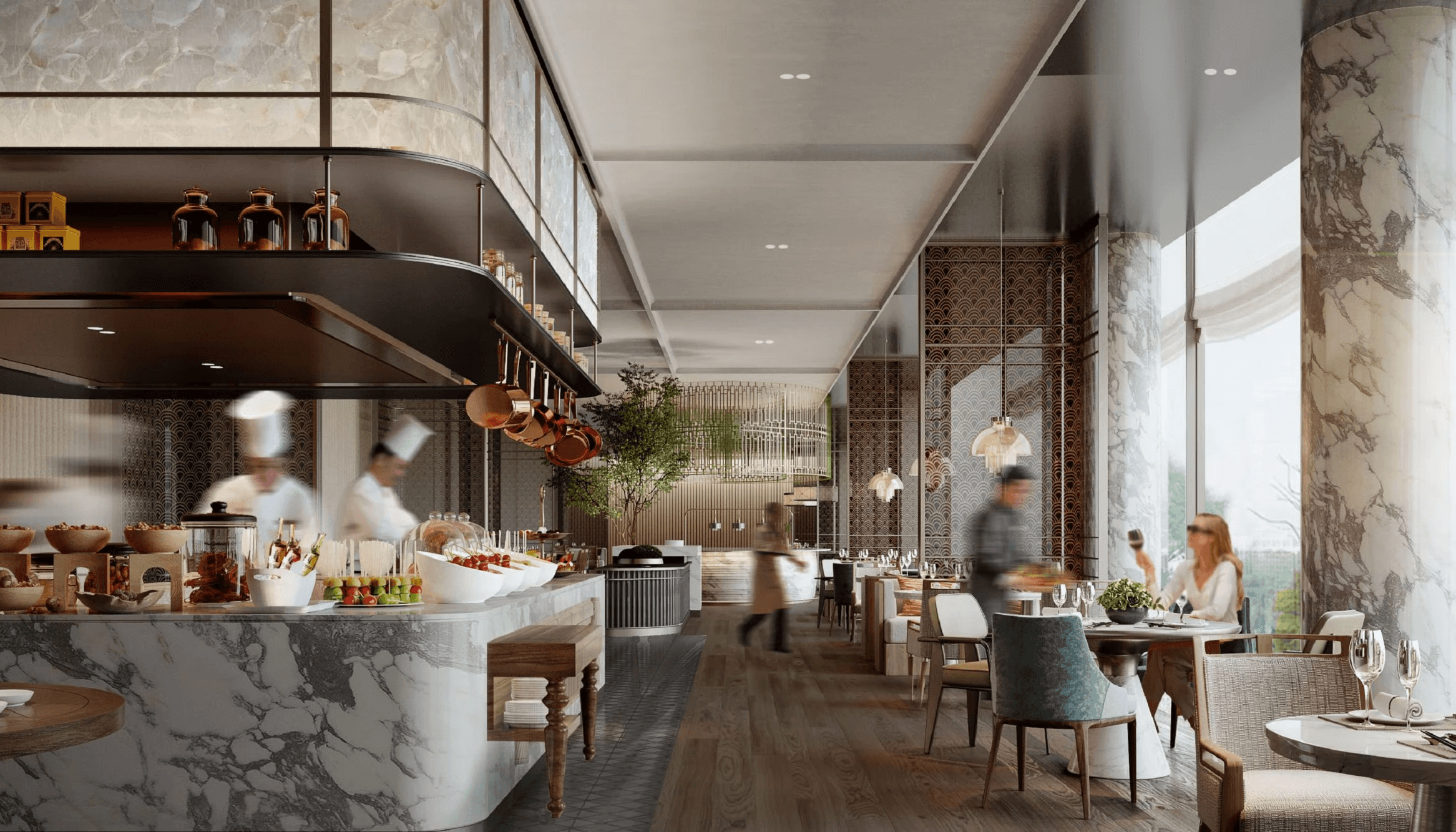
Scene 2. Taste Tapestry: The Moment You Understand Seoul Through Taste
Samseong-dong is one of Seoul’s most notable culinary districts, where local ingredients and global gastronomic sensibilities mingle more vibrantly than anywhere else. A meal here is not just sustenance; it is an interpretation of the city’s textures through taste. The temperature of a bite, the aroma, the texture—all these sensory elements gently ease daily tension and recalibrate the city’s complex rhythms into a pace you can comfortably absorb.
In other words, Taste Tapestry reconnects you with the city through a renewed sensory lens. Here, the act of eating becomes an act of recovery.
Scene 3. Crafted Wellness: The Refined Art of Rewinding a Tangled Rhythm
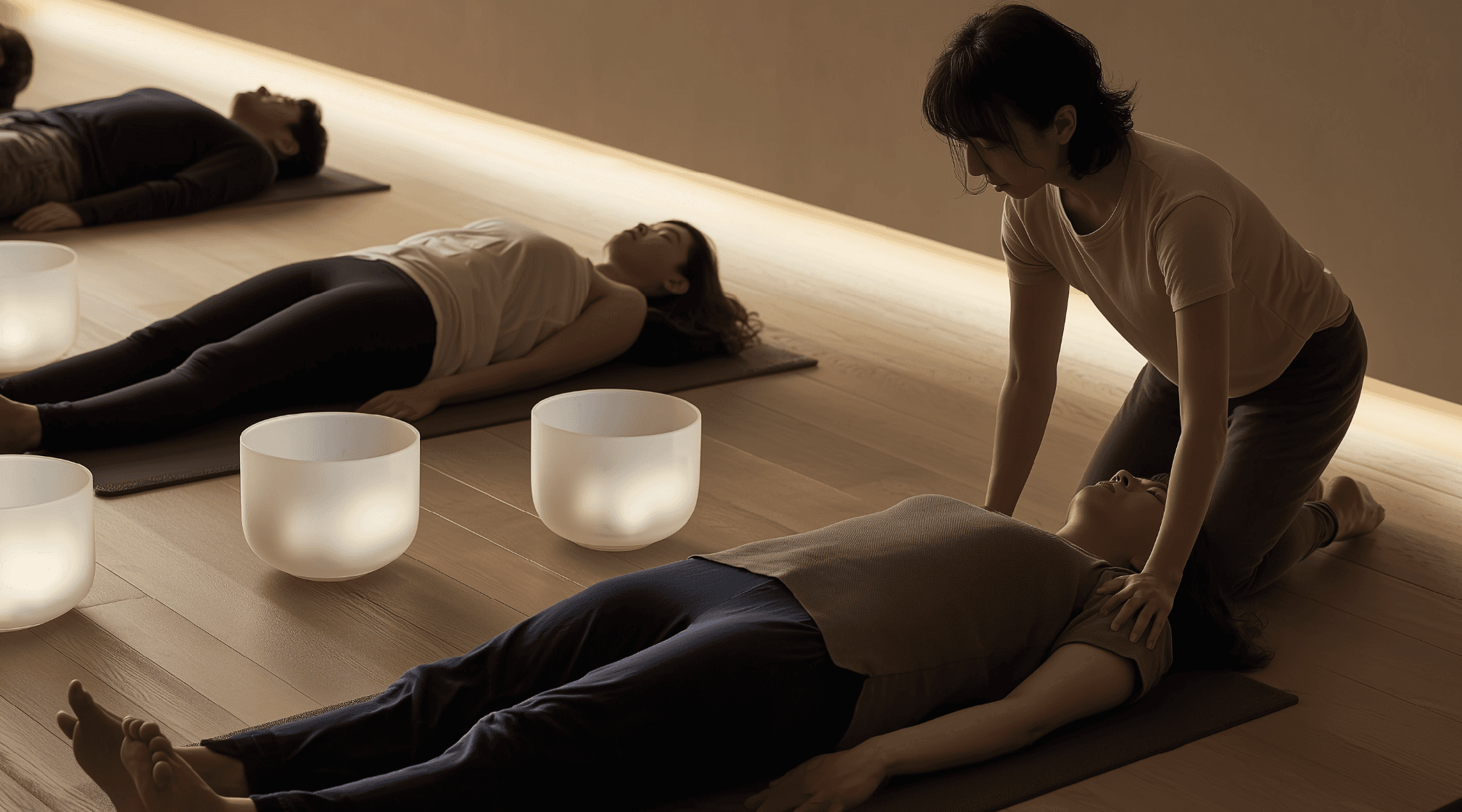
The fatigue felt in Seoul is not merely the result of overwork—it is the dissonance that arises when the city’s rapid rhythm clashes with your own. Thus, the wellness approach at Westin Seoul Parnas moves away from listing functions like massages or saunas. Instead, it resembles precision tuning—carefully observing a guest’s breath, tension, body temperature, and recovery speed to reset their internal rhythm.
The purpose of Crafted Wellness is not merely to relax the body, but to restore resilience—the ability to step back into the city’s rhythm with strength. This scene resets the baseline of both body and mind, reawakening the guest’s overall rhythm for the day.
Scene 4. Luminous Stage: The Moment My Story Is Sharpest
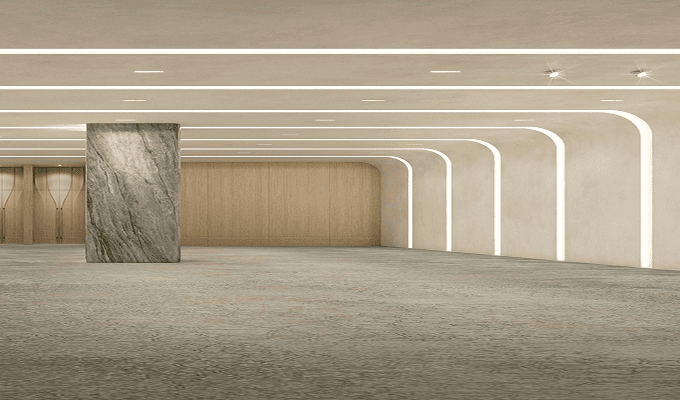
A hotel is not just a place for rest—it is also a stage where important decisions, social moments, and life’s turning points unfold. This is why the ballroom at Westin Seoul Parnas is more than a venue. Every element—lighting, flow, atmosphere—is designed to create the moment when the guest shines as their truest self. In the city’s chaotic pace, it becomes the point where one can most clearly ask: “Where am I standing now? And where do I wish to go?” This is the final recovery scene of the Luminous Stage, where one’s sense of identity comes back into focus.
Epilogue: Where the Film Begins Again
The Westin Seoul Parnas does not dress itself in extravagant language or declare itself loudly to the world. True restoration, we believe, begins not with grand proclamations but with a quiet, steady promise held within deep silence. And so we offer you this single sentence—softly, yet with conviction.
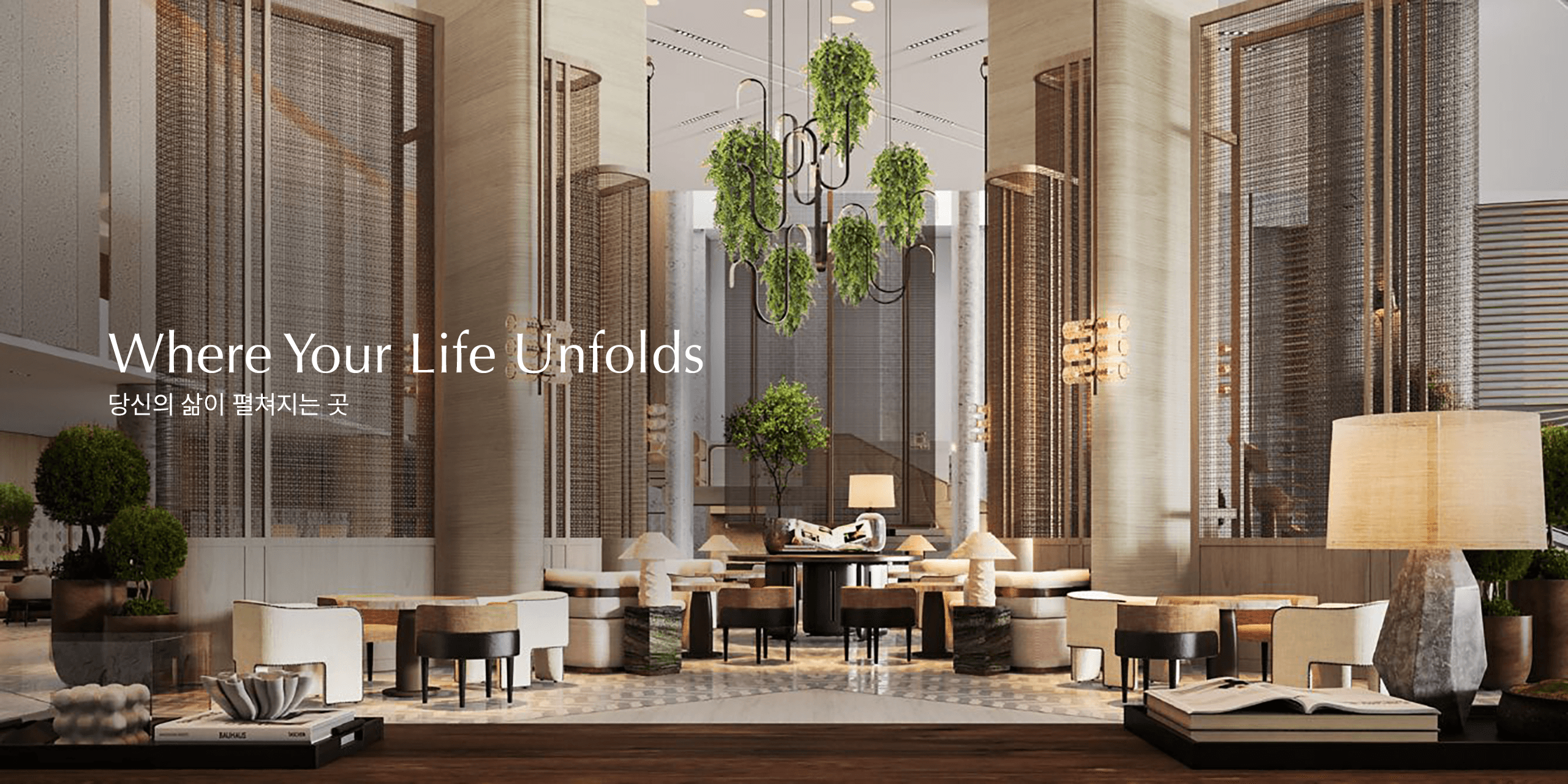
This sentence is not a slogan. It is a promise—that this is the place where your day, disordered by the relentless pace of Seoul, can finally be set back into harmony. Where you can steady the breath you lost trying to match someone else’s speed, sharpen the senses that have grown dull, and reclaim the rhythm that belongs only to you. We hope that in this place of pause, you find the strength to step forward again. For those living within the unique cadence of Seoul and Samseong-dong, this hotel aims to be the quiet stage that helps you reset the center of your day.
Now, the worldview we aim for—its solid foundation—is fully built. But just as a film cannot be completed with a script alone, our story has not yet reached its main feature. The true value of a hotel comes alive only when abstract philosophy takes physical form and meets your senses directly.
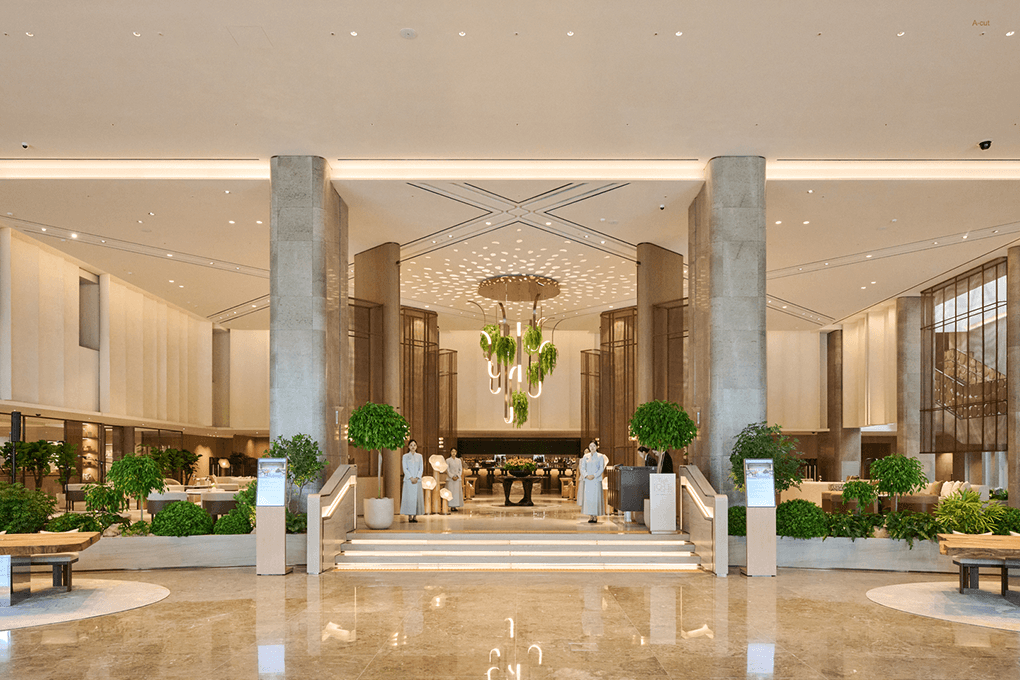
In the next chapter, we will show how these unseen philosophies have been translated into tangible landscapes: the cool elegance held within the lobby’s marble, the seasonal warmth plated in the restaurant’s dishes, the texture of air flowing through the lounge’s music, and the angle of light resting by the guestroom window. Through each venue’s narrative and mise-en-scène, we will reveal how the phrase “Where Your Life Unfolds” has taken shape as spatial language.
The long prologue has ended. The lights are on, and the stage is set.
The film of Westin Seoul Parnas begins now.